
CPOs, utilities and energy retailers
DC chargers built for uptime, a cloud that talks OCPP and OCPI, and payment that works for drivers who never downloaded your app.
Who
Who this is for
Charge point operators building or expanding public networks, from municipal car parks to highway hubs, who need hardware, back-end and roaming to work together on day one.
Problem
What gets in the way
- Multi-vendor networks fragment monitoring and pricing.
- Ad-hoc payment compliance requires POS on the charger, not only in the app.
- Roaming with eMSPs is mandatory to fill utilisation; OCPI integration is often an afterthought.
- Field service is the largest operating cost; unreachable or non-modular hardware makes it worse.
Solution
How EN Plus solves it
- Turbo (60–120 kW) and Rocket (300 kW) with 200–1000 V DC output, CCS2 standard, CHAdeMO/CCS1/GB-T on request, optional POS with contactless card payment.
- Cloud platform with status monitoring, pricing management, firmware upgrade, remote diagnose and load balance; OCPP 1.6J hardware, OCPP 2.0.1 certified platform.
- OCPI interoperability; platform integrations with Electromaps, Driivz, Monta, Ampeco, Hubject, E-Flux and others.
- Modular DC design for field repair, emergency stop, IP54/IK10 enclosures, remote OTA.
Products
Recommended for charge point operators
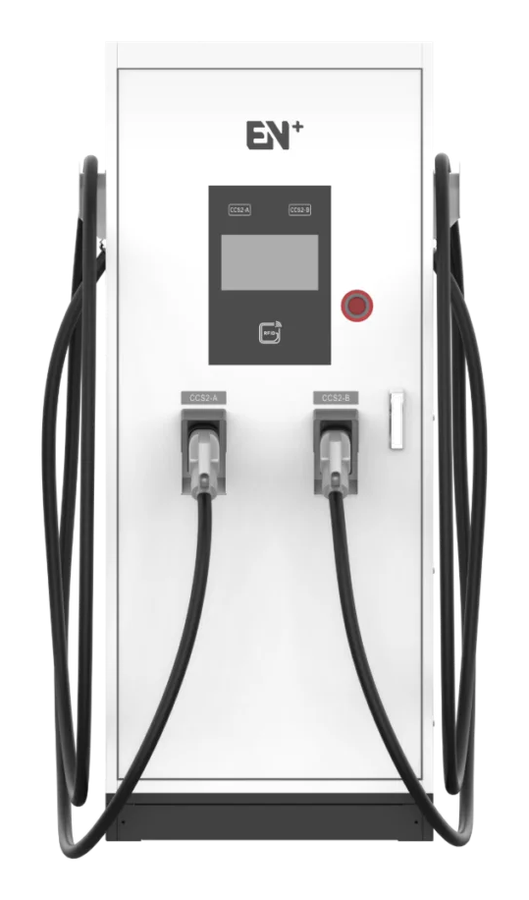 60-120 kW
Turbo Series
DC Charger
View product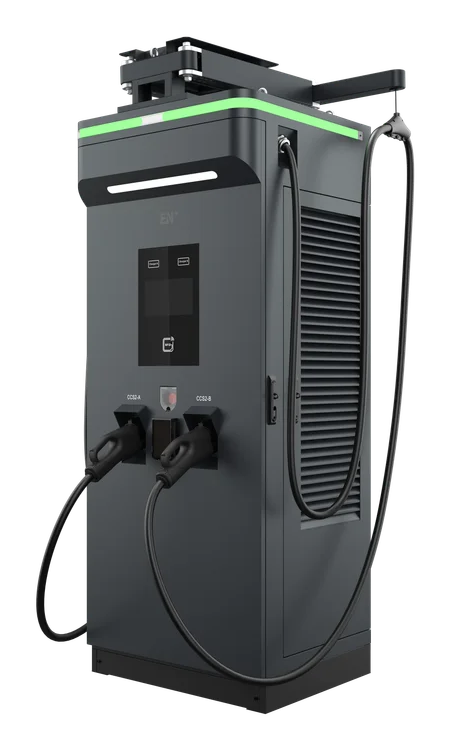 300 kW
Rocket Series
DC Charger
View product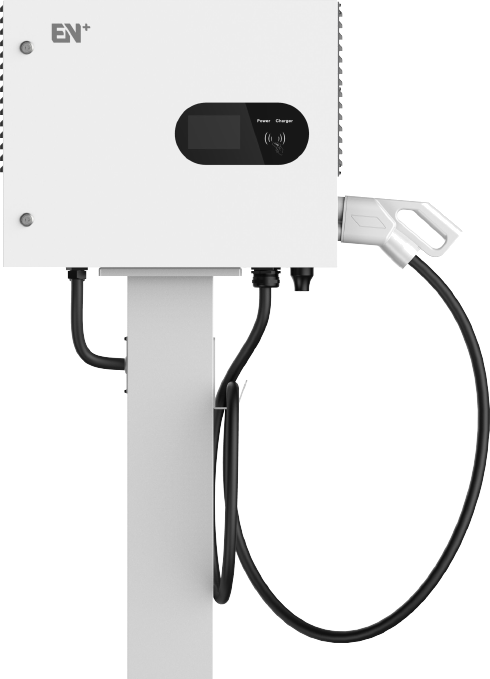 30 kW
30 kWCorebox Series
DC Charger
View product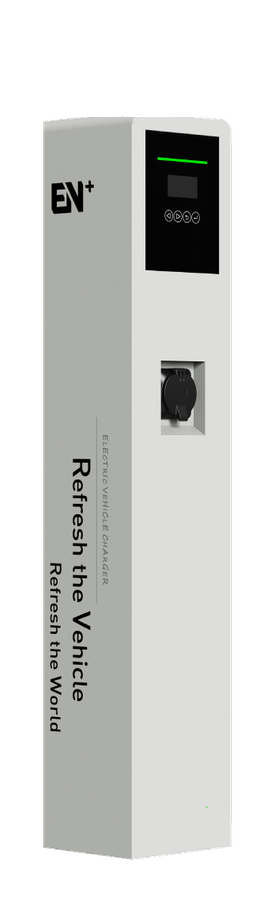 2×22 kW
Cubo Series
AC Charger (Floor Stand)
View productAlso: Mobox Series
Benefits
What you gain
Higher utilisation
Roaming via OCPI, POS payment and app start remove every barrier to a session.
Lower OPEX
Remote diagnostics and OTA; modular power units swapped on site.
Grid-aware
Intersite load balancing reads site consumption and caps station power automatically.
Proven in Europe
120 kW Turbo in the UK and Switzerland, 300 kW Rocket in Denmark, 30 kW Corebox across UK/CH/BR.
Business case
Why the numbers work
- Flexible 30 kW power allocation lets one Turbo serve two vehicles without stranding capacity.
- Fee pricing strategy per user type; settlement through Stripe, PayPal or Nets.
- Operational data analysis by station and site, exportable for investor reporting.
Implementation
How it is rolled out
- 1Site survey: grid capacity, connector mix, payment requirements.
- 2Hardware selection and optional cable management / POS.
- 3Platform onboarding (own back-end via OCPP, or EN Plus cloud with OCPI roaming).
- 4Commissioning, HiL-validated protocol conformance, go-live.
Support
What support you receive
- Smart O&M: real-time back-end monitoring and log analysis
- Remote OTA upgrades
- Global test network and European subsidiaries
Talk to a specialist
Tell us about your charge point operators project and a specialist replies with products, documentation and next steps.